TCM 5330 · GEORGIA SOUTHERN UNIVERSITY

Green and Sustainable Construction:
Course Materials

Dr. Tommy Tafazzoli

Sustainable construction connects decisions about sites, buildings, and infrastructure with the resources they use and the people they serve. These lectures examine design choices, building performance, and the role of communities throughout a project’s life.

Instructor-developed lecture materials for Green Building & Sustainable Construction, organized into 14 weeks for study, review, and professional learning.

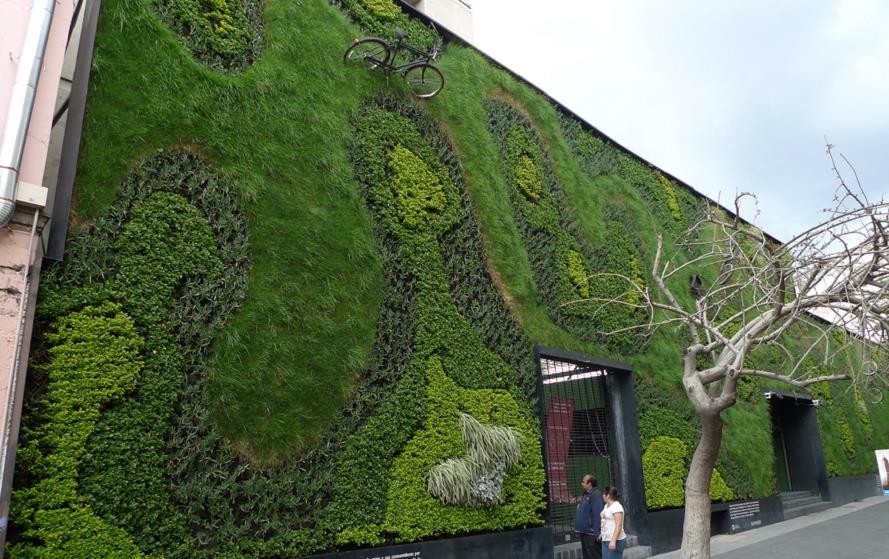
A building facade covered with a patterned living wall, with pedestrians on the sidewalk; an example shown in the Week 10 lecture.
Vegetation as part of the buildingA living wall pictured in Week 10’s discussion of vegetated walls. Reproduced from the lecture materials, page 27.
14 weekly lectures584 pages of course materialsPDF + HTML notes and weekly summaries

EXPLORE THE LECTURES

A 14-week learning pathway.

Start with the language and frameworks of sustainable design, examine site and building strategies, then extend the discussion to technology, communities, and infrastructure. Select a week to read its materials below.

Weeks 1–4

Foundations & certification

01Week 133 pages · 1.4 MB

Introduction to Green and Sustainable Construction

Introduces sustainable design through environmental responsibility, social equity, and economic performance. Connects the triple bottom line with impact assessment, life-cycle thinking, resource conservation, and examples of sustainable buildings.

  • Sustainable design principles and their evolution
  • People, planet, and profit
  • Environmental impact and life-cycle thinking
02Week 241 pages · 1.8 MB

Sustainable Design Terminology

Builds a shared vocabulary for discussing sustainable projects. Explores climate-responsive and resilient design, carbon footprints, circular material use, social equity, and the role of communities and building users.

  • Biophilic, adaptive, and resilient design
  • Carbon footprints and cradle-to-cradle thinking
  • Social equity, smart growth, and greenwashing
03Week 335 pages · 1.9 MB

Green Building Certifications

Compares green building certification systems and examines how project performance is assessed. Introduces LEED scorecards and prerequisites, while distinguishing building certification from individual professional credentials.

  • LEED, BREEAM, and Green Globes
  • Scorecards, prerequisites, and certification levels
  • Project certification and professional credentials
04Week 420 pages · 3.0 MB

LEED Categories

Examines rating systems for different project types, from building design and operations to homes and communities. Guides students through scorecards, credit intent, requirements, and documentation.

  • Rating systems and project types
  • Reading prerequisites, credits, and scorecards
  • Certification process and supporting documentation
Weeks 5–10

Sustainable building strategies

05Week 540 pages · 4.9 MB

Sustainable Sites

Connects project location and land development with transportation demand, habitat, and stormwater. Reviews site-selection and management strategies, including redevelopment, reduced hardscape, heat-island mitigation, and rainwater harvesting.

  • Transportation and site selection
  • Habitat, heat islands, and site management
  • Stormwater controls and rainwater harvesting
06Week 642 pages · 3.6 MB

Water Efficiency

Compares low- and high-performing buildings and organizes water use into indoor, outdoor, and process demands. Examines efficient fixtures, irrigation, metering, rainwater harvesting, and nonpotable water reuse.

  • Indoor, irrigation, and process water
  • Efficient fixtures and water-use monitoring
  • Rainwater harvesting and graywater reuse
07Week 747 pages · 2.6 MB

Energy and Atmosphere

Follows building energy use from supply and demand to efficiency and ongoing performance. Examines passive design, building envelopes, mechanical systems, renewable energy, monitoring, maintenance, and commissioning.

  • Energy demand and efficiency
  • Passive design and renewable energy
  • Monitoring, commissioning, and refrigerants
08Week 848 pages · 3.0 MB

Materials and Resources

Examines material selection through environmental impacts, health considerations, and life-cycle thinking. Connects purchasing decisions with reuse, recycled content, waste prevention, and construction waste management.

  • Material health, embodied energy, and life-cycle impacts
  • Sustainable purchasing and material reuse
  • Waste hierarchy, recycling, and diversion
09Week 946 pages · 2.8 MB

Indoor Environmental Quality

Connects indoor air quality, thermal comfort, lighting, and acoustics with occupant experience. Reviews ventilation, low-emitting materials, construction-phase air protection, occupant controls, and performance verification.

  • Indoor air quality and pollutant control
  • Thermal comfort, daylight, and acoustics
  • Occupant feedback and commissioning
10Week 1044 pages · 4.5 MB

Innovation in Design & Construction

Introduces innovation and exemplary performance in the LEED framework, then examines materials and systems used in green buildings. Discusses implementation challenges alongside examples of vegetated roofs, passive solar design, and high-performance building systems.

  • Innovation, exemplary performance, and regional priorities
  • Green materials, roofs, walls, and building systems
  • Case examples and barriers to adoption
Weeks 11–14

Communities, technology & infrastructure

11Week 1149 pages · 4.5 MB

Green Neighborhoods and Cities

Extends sustainability from individual buildings to neighborhoods and cities. Uses urban design principles and the Dockside Green case to connect green infrastructure, mobility, social equity, biodiversity, and water-sensitive design.

  • Neighborhood development and urban design
  • Living walls, rain gardens, and permeable surfaces
  • Social equity, biodiversity, and smart cities
12Week 1250 pages · 4.1 MB

Technology in Sustainable Construction

Surveys technologies that support resource efficiency across design, construction, and operation. Examples include BIM, 3D printing, modular construction, solar integration, water recovery, smart controls, and climate-responsive systems.

  • BIM, 3D printing, and modular construction
  • Renewable energy and water-conservation technologies
  • Smart buildings and climate-resilient construction
13Week 1346 pages · 3.4 MB

Community Engagement, Awareness & User Behavior

Examines how communities, project stakeholders, and building users influence sustainability. Reviews participatory design, education, incentives, feedback, and ways to evaluate engagement, alongside examples of emerging building technologies.

  • Participatory design and stakeholder collaboration
  • Public awareness and sustainable user behavior
  • Feedback, incentives, and engagement evaluation
14Week 1443 pages · 3.7 MB

Life Cycle Assessment & Sustainable Infrastructure

Introduces the stages of life cycle assessment and their use in material and construction decisions. Extends the discussion to drainage, water reuse, pavements, bridges, tunnels, renewable energy, and resilient infrastructure planning.

  • LCA stages and construction applications
  • Water, transport, and energy infrastructure
  • Biodiversity, GIS, and climate resilience

READ & REVISIT

Course reading room.

Back to the pathway ↑

LECTURE MATERIALS · WEEK 1

Introduction to Green and Sustainable Construction

Introduces sustainable design through environmental responsibility, social equity, and economic performance. Connects the triple bottom line with impact assessment, life-cycle thinking, resource conservation, and examples of sustainable buildings.

Key topics

  • Sustainable design principles and their evolution
  • People, planet, and profit
  • Environmental impact and life-cycle thinking

PDF · 33 pages · 1.4 MB

Open PDF in a new tab Download PDF

WEEK 1 · READY TO READ

Choose how you’d like to read.

Open the PDF in a full browser tab, download a copy, or read it here. Only the selected document loads when you open it.

Open PDF in a new tab ↗On a phone, a separate tab provides more room to read and zoom.

If the PDF does not display, open it in a new tab or download a copy.

Week 1 of 14

TEACHING DESIGN

How the Course Supports Learning

Question-led lectures connect sustainability concepts to building decisions. Definitions, comparisons, visual examples, and linked videos provide several ways to revisit each topic.

Build a vocabulary, then interpret a framework

The opening weeks establish design terminology before introducing certification. Weeks 3 and 4 ask students to examine LEED scorecards and distinguish prerequisites, credits, and project-specific rating systems.

Compare strategies and their consequences

Week 6 contrasts low- and high-performing approaches to water use. Later lectures examine material choices, indoor environmental quality, and the benefits and implementation challenges of green building systems.

Connect buildings with communities

Project examples, including Dockside Green in Week 11, connect the discussion to neighborhood design. Weeks 13 and 14 bring stakeholder participation, user behavior, and life-cycle assessment into the broader construction context.

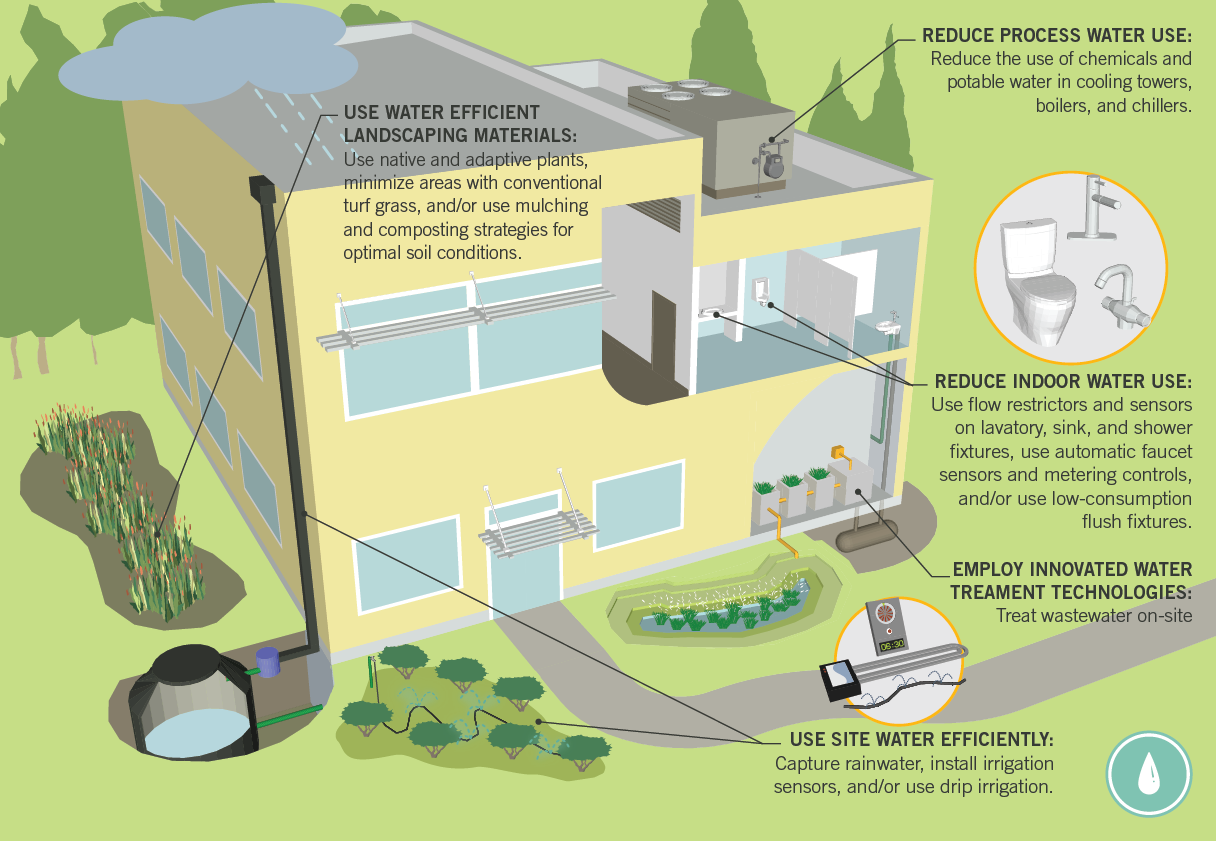
Building diagram showing water-efficient fixtures, adapted planting, rainwater collection, reduced process-water use, and on-site treatment.
See water use as a connected systemWeek 6 brings indoor, outdoor, and process-water strategies together in this building illustration. Reproduced from the lecture materials, page 15.View the example in context ↗

Authorship & source acknowledgments

Dr. Tommy Tafazzoli developed these lecture materials for TCM 5330, Green Building & Sustainable Construction. His original instructional organization, explanations, and teaching prompts appear alongside third-party standards, certification resources, photographs, diagrams, and videos. Those external materials remain attributable to their original creators.

The original PDFs, acknowledgments, and links are preserved. The photograph and diagram displayed on this page are excerpts from the lectures; the supplied slides do not identify their original creators. Certification terminology is presented in the context of the supplied teaching materials.