How construction professionals want fatigue monitored
What makes a fatigue-monitoring approach acceptable on a construction site? This video explains an exploratory survey of 103 workers, supervisors, safety personnel, and project managers across nine southeastern U.S. construction projects, examining familiarity, trust, and preferences for subjective, objective, and hybrid approaches.
Key findings from the paper
About 38% preferred hybrid approaches combining subjective and objective information; a similar share regarded them as the most reliable. More than 85% anticipated moderate or significant safety benefits.
Trigger-based monitoring (31.07%) and checks at the start and end of shifts (28.16%) were preferred over continuous monitoring (6.80%).
Preferred responses included scheduling adjustments (41.75%) and rest breaks or task rotation (33.98%). These findings describe participant perceptions and preferences, not measured sensor accuracy or demonstrated reductions in incidents.
Fatigue contributes to construction incidents, yet monitoring tools will only work if people recognize, trust, and accept them. This study asked which subjective, sensor-based, or combined approaches construction professionals would actually use.
What we did
The team surveyed 103 workers, supervisors, safety personnel, and project managers. Thirty-eight items examined prior exposure, familiarity, comfort, perceived reliability, implementation preferences, and likely responses when fatigue is detected; the analysis combined descriptive statistics with qualitative interpretation.
What we found
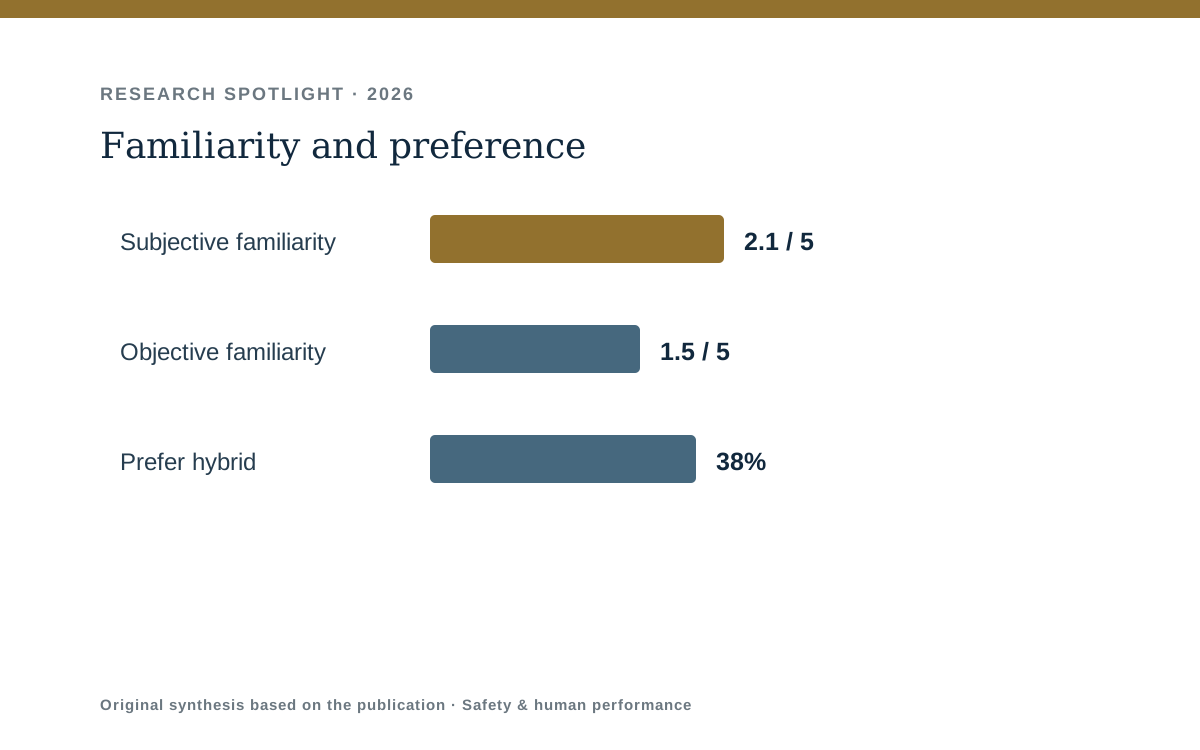
Subjective methods were more familiar (about 2.1/5) than objective sensor-based methods (about 1.5/5).
About 38% preferred a hybrid approach, and a similar share regarded combined subjective and physiological information as most reliable.
More than 85% said fatigue monitoring could moderately or significantly improve job-site safety.
Why it matters
The results show that technical capability alone is not enough. Practical fatigue programs need low-burden tools, worker acceptance, clear responses, and an implementation process that earns trust. Read together, the question, method, and findings show how this publication fits within Tafazzoli’s broader program of connecting built-environment evidence with practical decisions. The page intentionally separates documented results from interpretation and directs readers to the complete paper for methodological detail. The study also illustrates a recurring principle across this research portfolio: a useful result must be understood in its original setting before it is transferred to another project, organization, population, or policy context.
Familiarity and preference. This original synthesis graphic is based on the study’s documented question, method, or principal contribution; consult the paper for complete figures, labels, units, and uncertainty.
Original website synthesis based on the cited publication.
Fatigue monitoring technologies in construction: How professionals perceive, trust, and prefer subjective, objective, and hybrid approaches
Published · 2026 · Journal article
Tafazzoli, M., Haq, I., Naeijian, F., Goodarzi, M., Al-Bayati, A. J., & Kamari, M. (2026). Fatigue monitoring technologies in construction: How professionals perceive, trust, and prefer subjective, objective, and hybrid approaches. Buildings, 16(11), 2091. https://doi.org/10.3390/buildings16112091
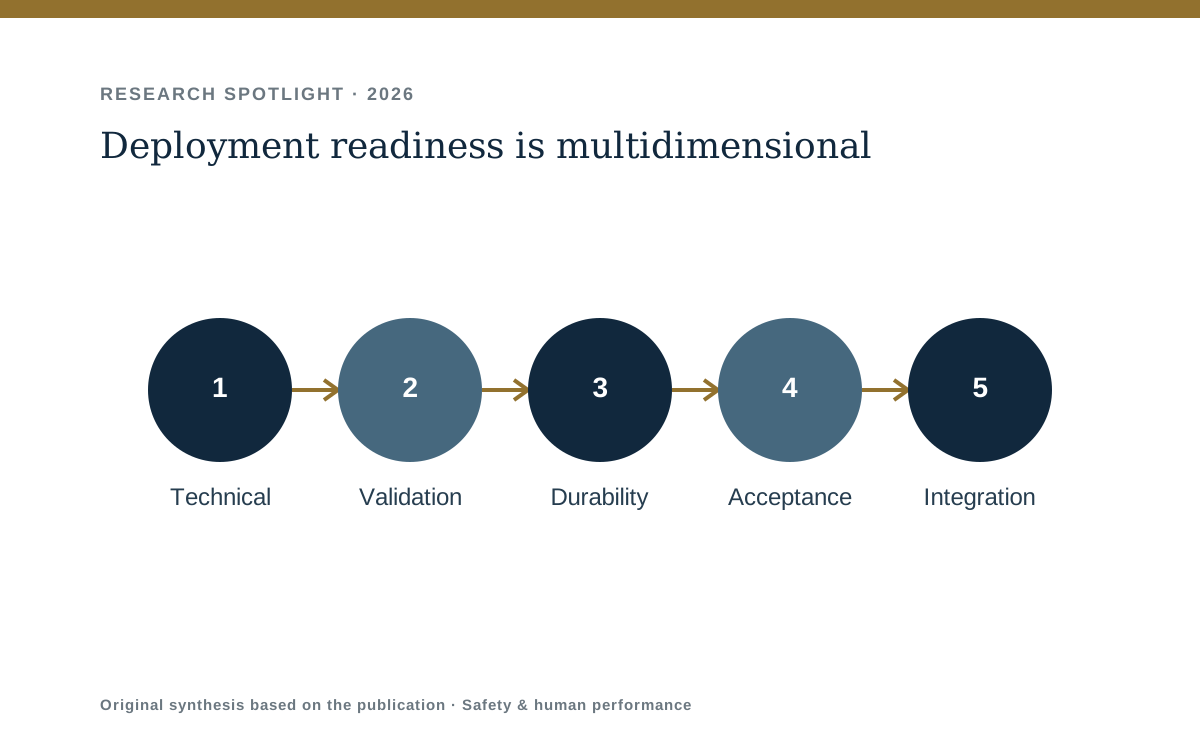
The multidimensional readiness framework helps researchers and safety teams evaluate whether a garment can survive real work, fit workflows, protect worker interests, and produce information that can support decisions.